Compare the same work
Two proposals for the same house can describe very different projects. One may add material over an existing layer; another may include removal, preparation and air sealing. A total price is meaningful only when the included work is clear. Begin by matching the treated area, intended assembly and project objective.
Read the preparation
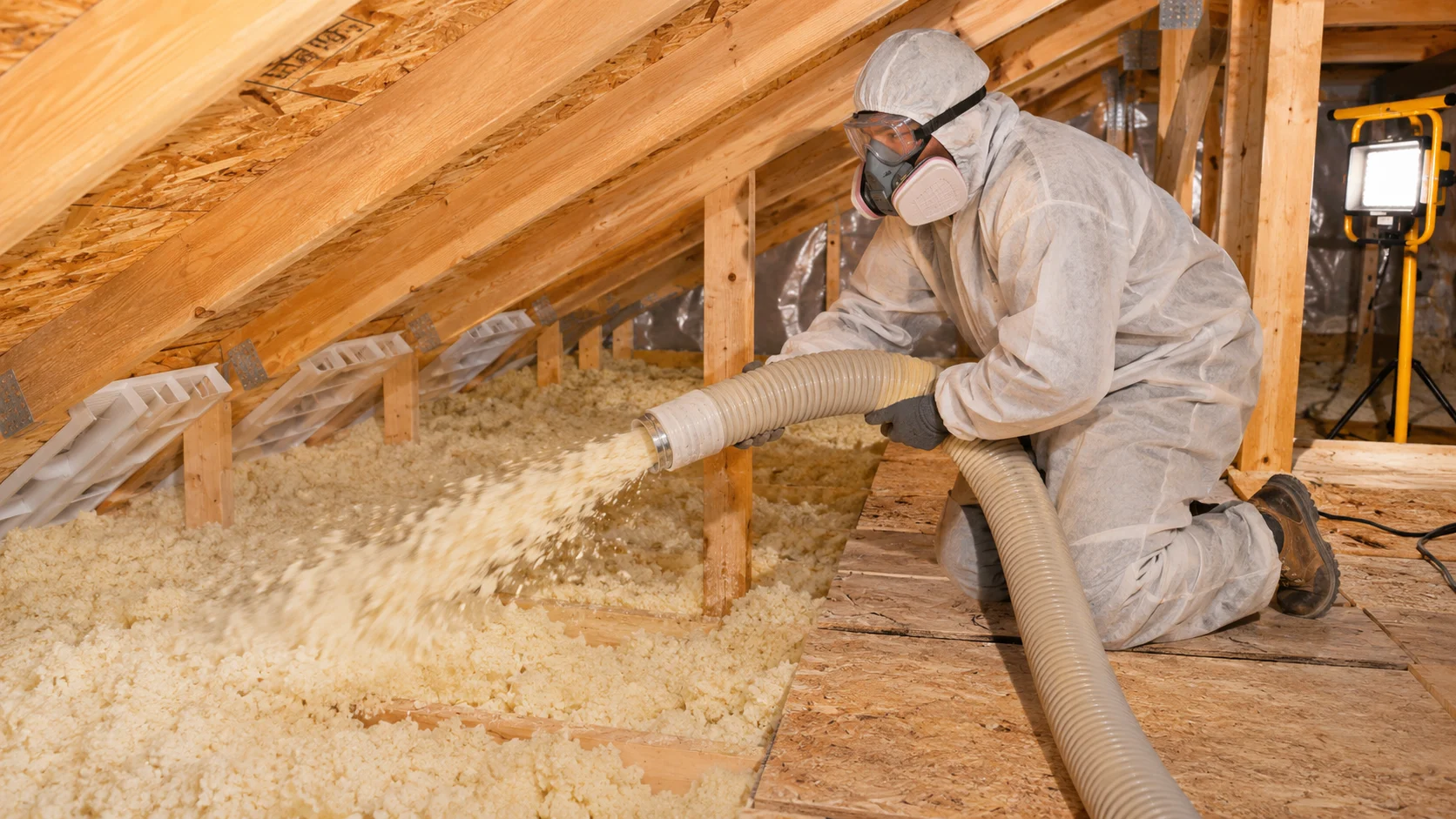
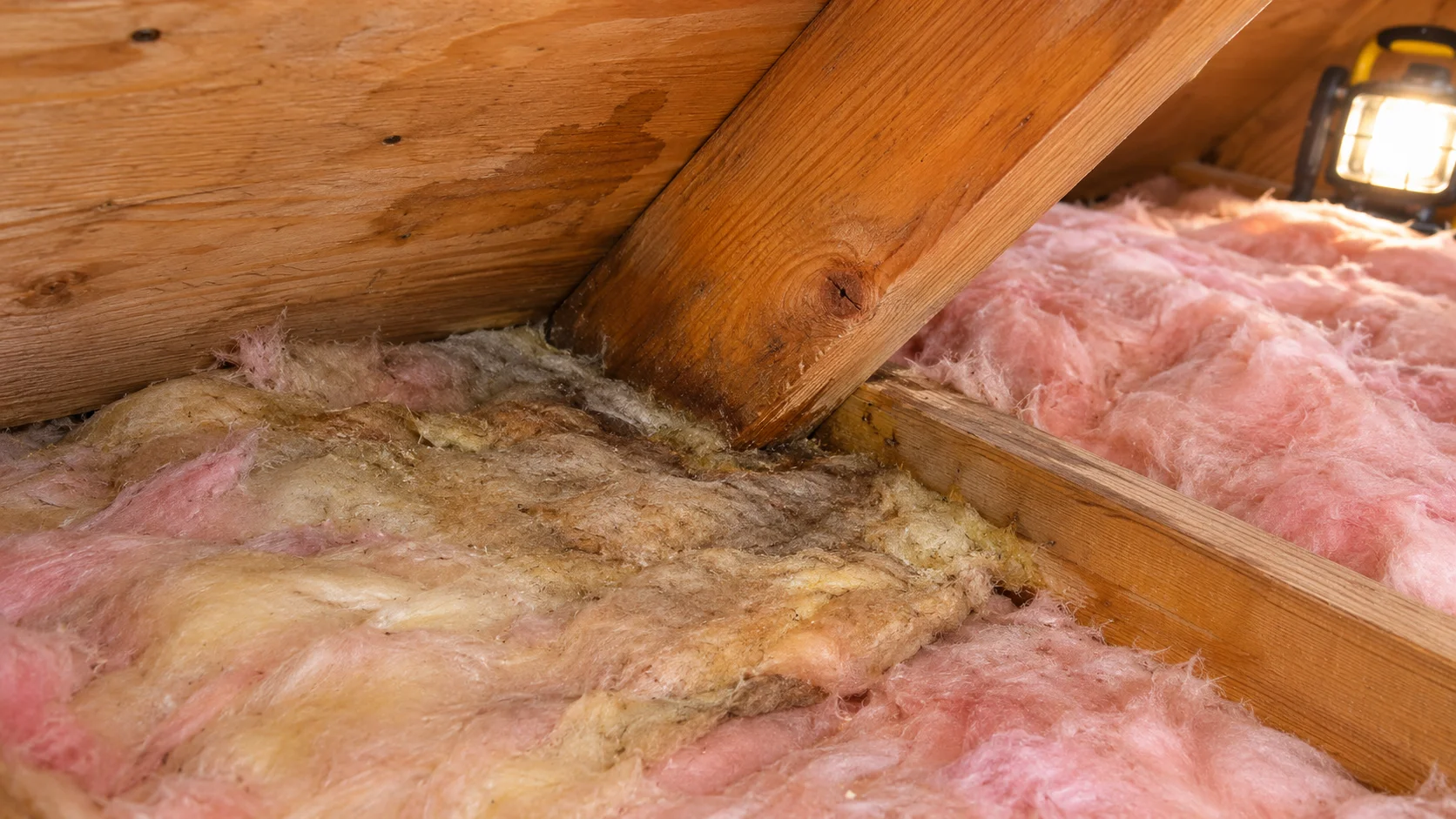
Ask whether the proposal addresses access, home protection, existing material and any conditions that need attention first. Removal, specialist evaluation, roof work and pest work should not be assumed. Clear exclusions are useful because they show where another decision or professional may be needed.
Understand the specification
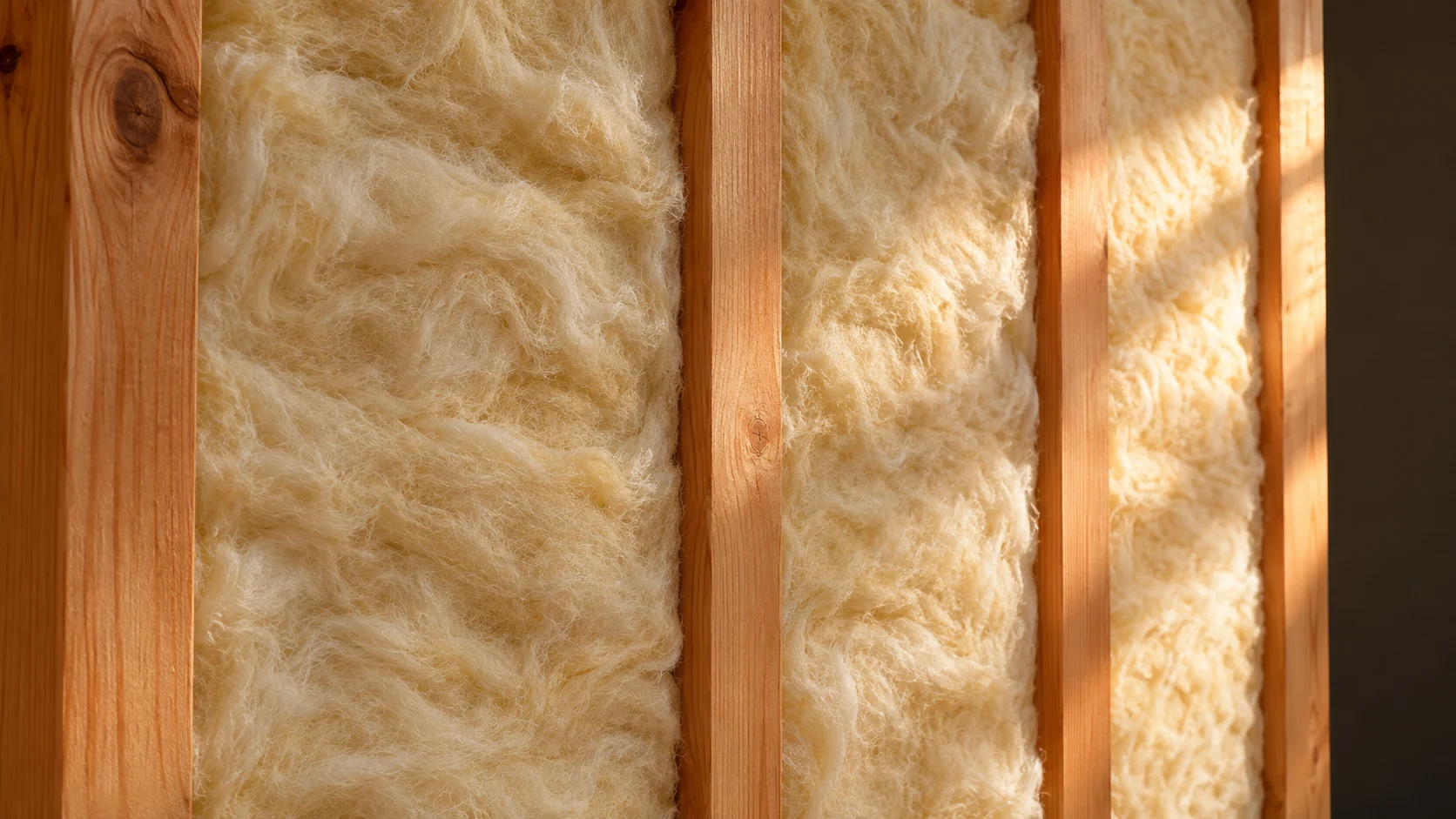
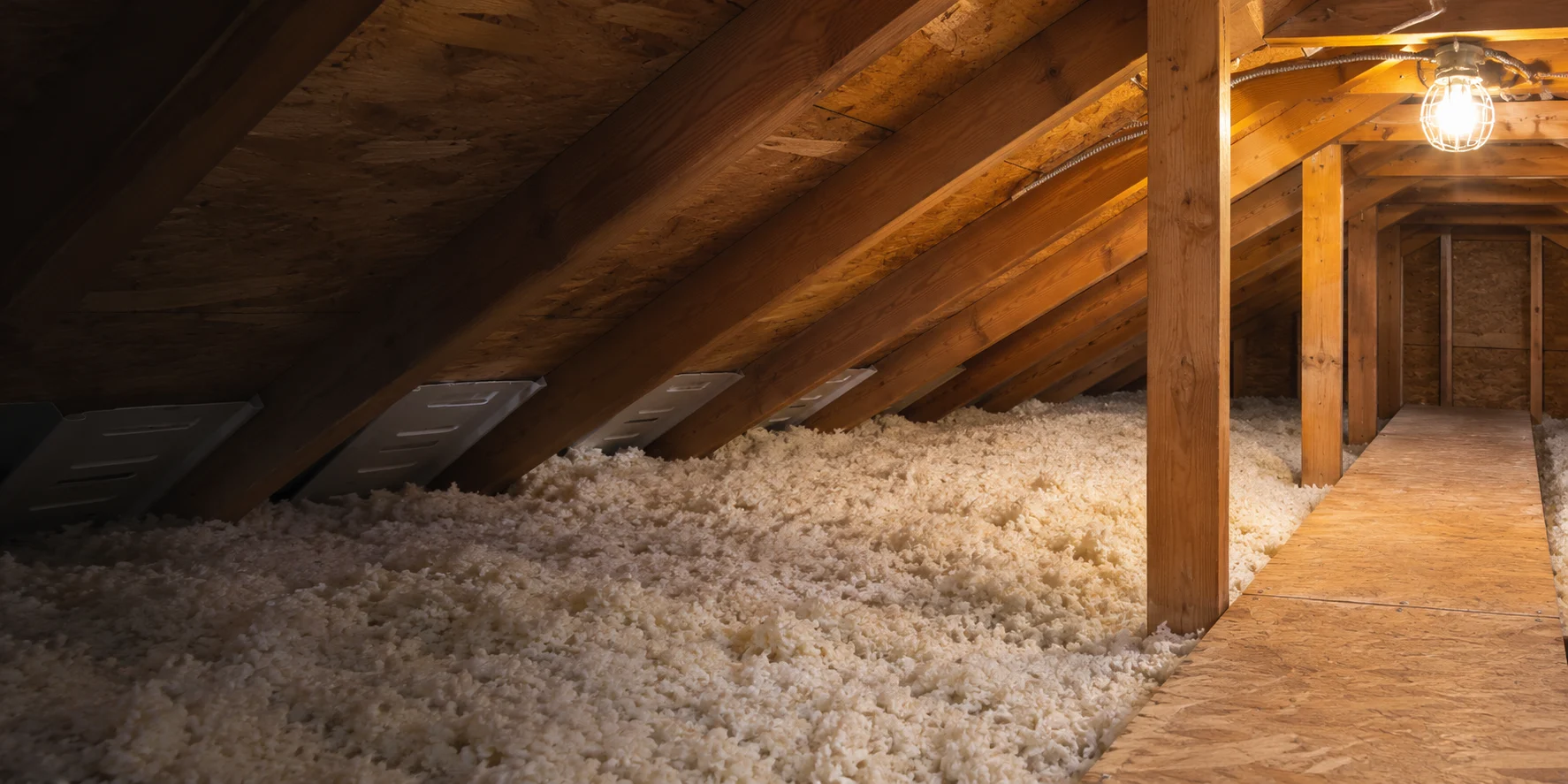
Identify the material and target performance, and ask how the installed result will be documented. For an attic, discuss ventilation protection, required clearances and hatch treatment. For walls, discuss access and finish restoration. The details depend on the assembly, so a generic line called insulation may not explain enough.
Separate predictions from commitments
A contractor can commit to a defined installation scope. A specific energy saving or temperature change depends on more variables and requires appropriate evidence. Ask which statements are project commitments, which are estimates and which remain uncertain. Avoid making the decision on a universal savings promise.
Confirm the practical next step
Before proceeding, verify the responsible business, applicable credentials, insurance, payment terms and scheduling directly. Review the written scope and clarify changes before work begins. A website can help prepare the conversation, but the actual agreement should reflect the home, proposed work and parties involved.