What the rating describes
R-value describes resistance to heat flow. It is useful when discussing an insulation specification, but it does not describe everything about a home. Air leakage, framing, windows, ducts and installation details also influence comfort. Treat the rating as one part of the proposed assembly rather than a whole-home performance score.
A product is part of an assembly
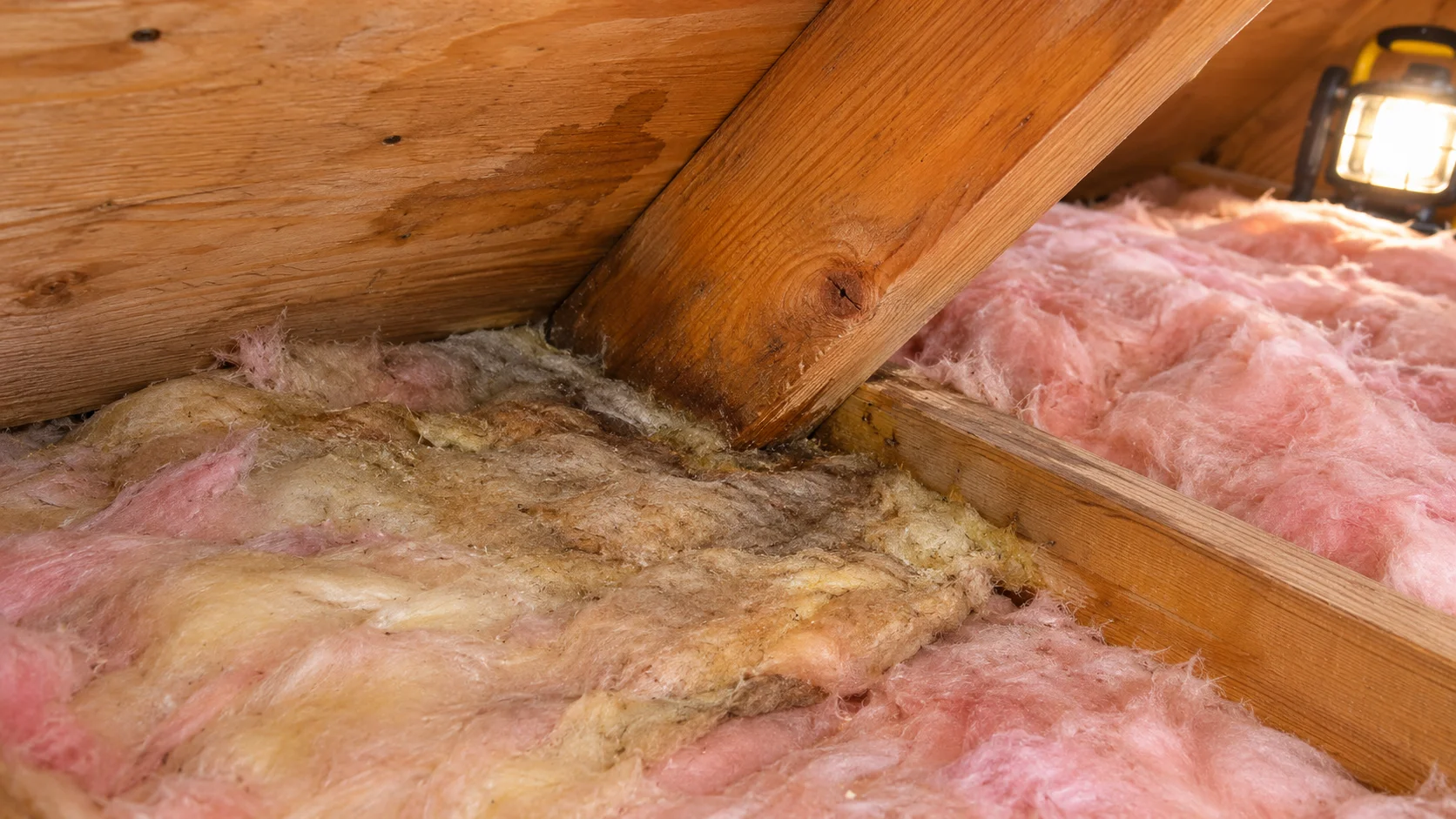
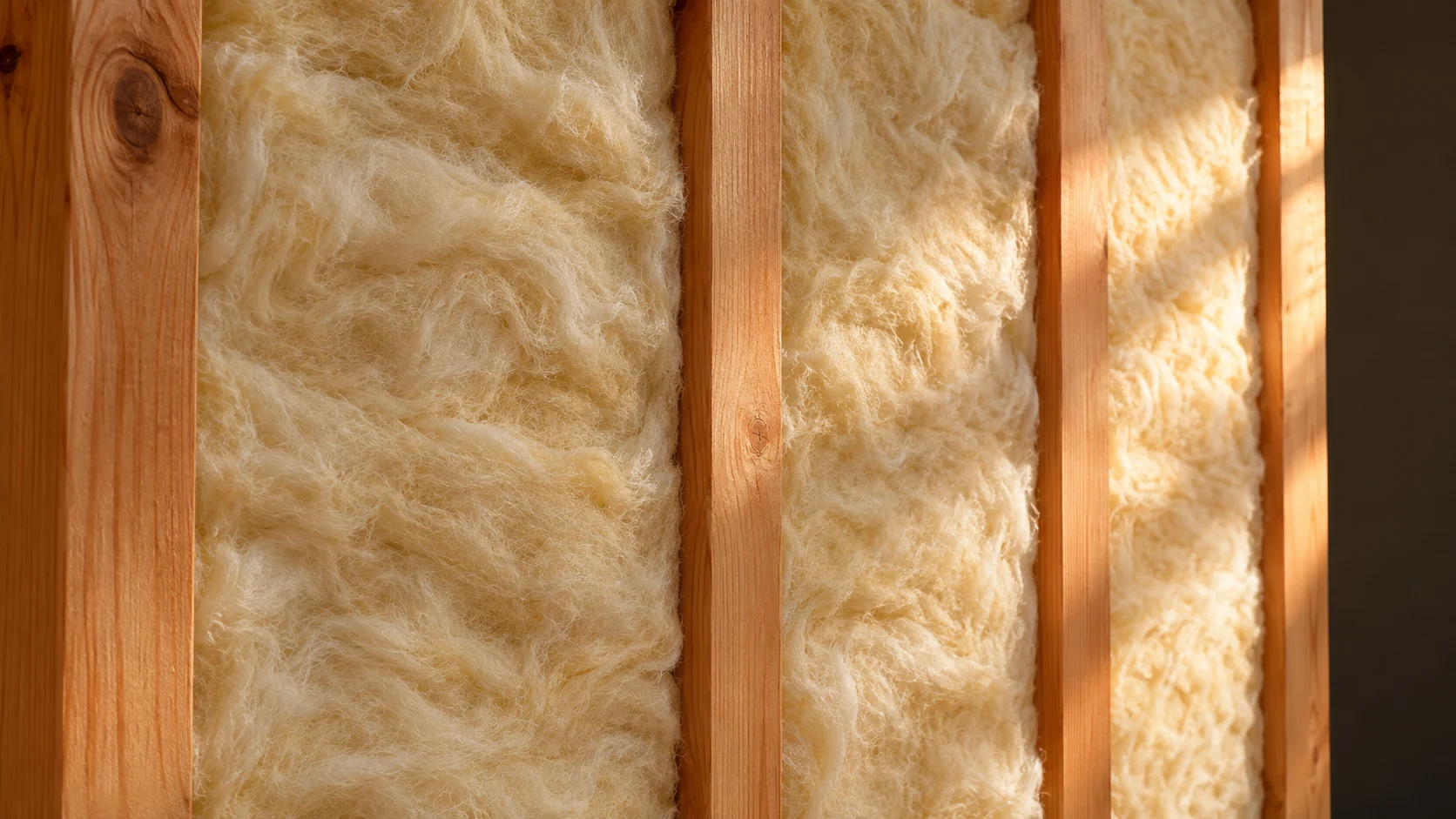
Material installed between wood framing does not eliminate the heat path through the framing itself. Gaps, compressed material and interruptions can also affect performance. That is why the intended installation and the continuity of the layer deserve attention alongside the number printed on a product label. Ask how the specification relates to the actual area being treated.
Thickness alone is not a specification
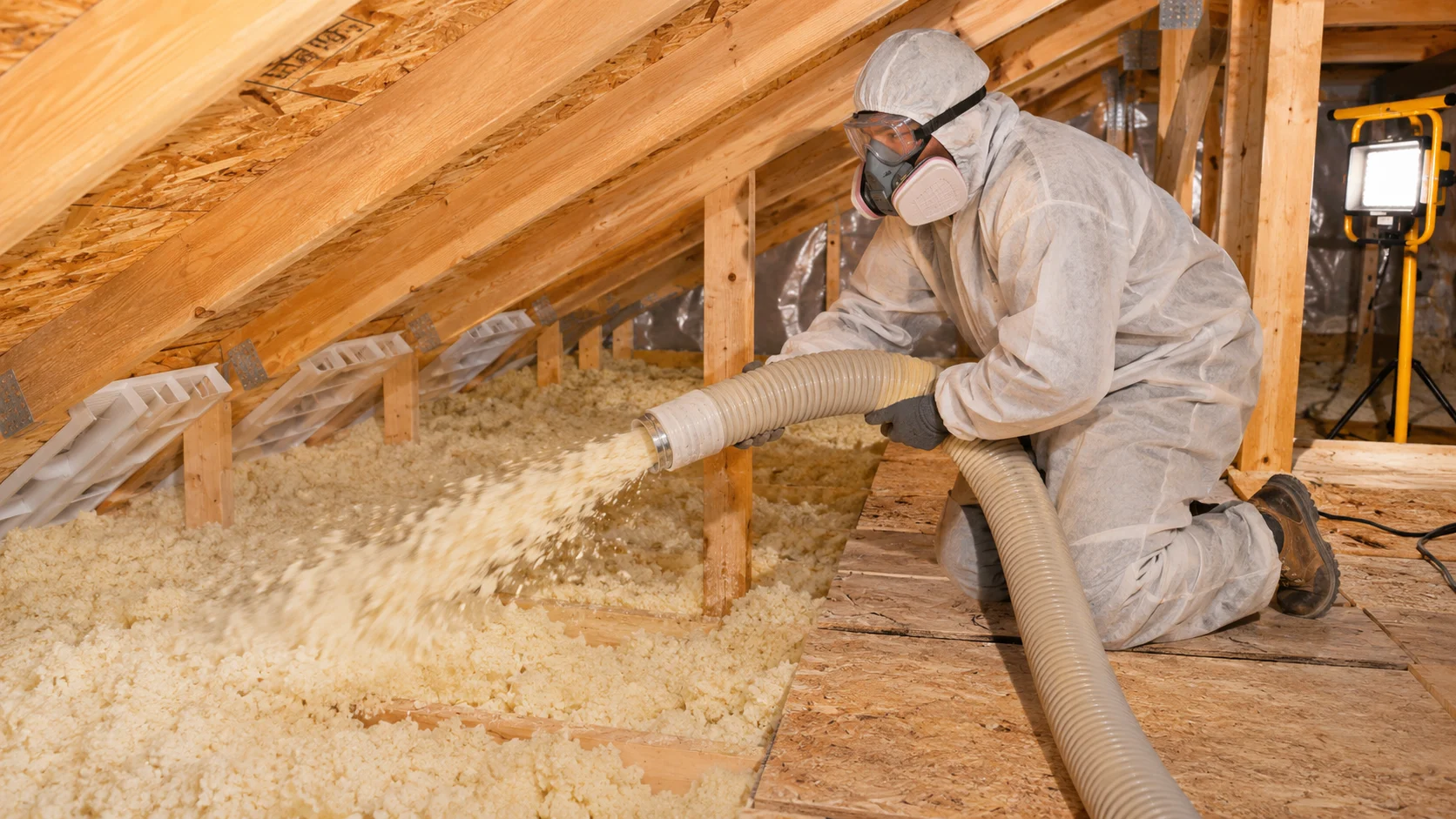
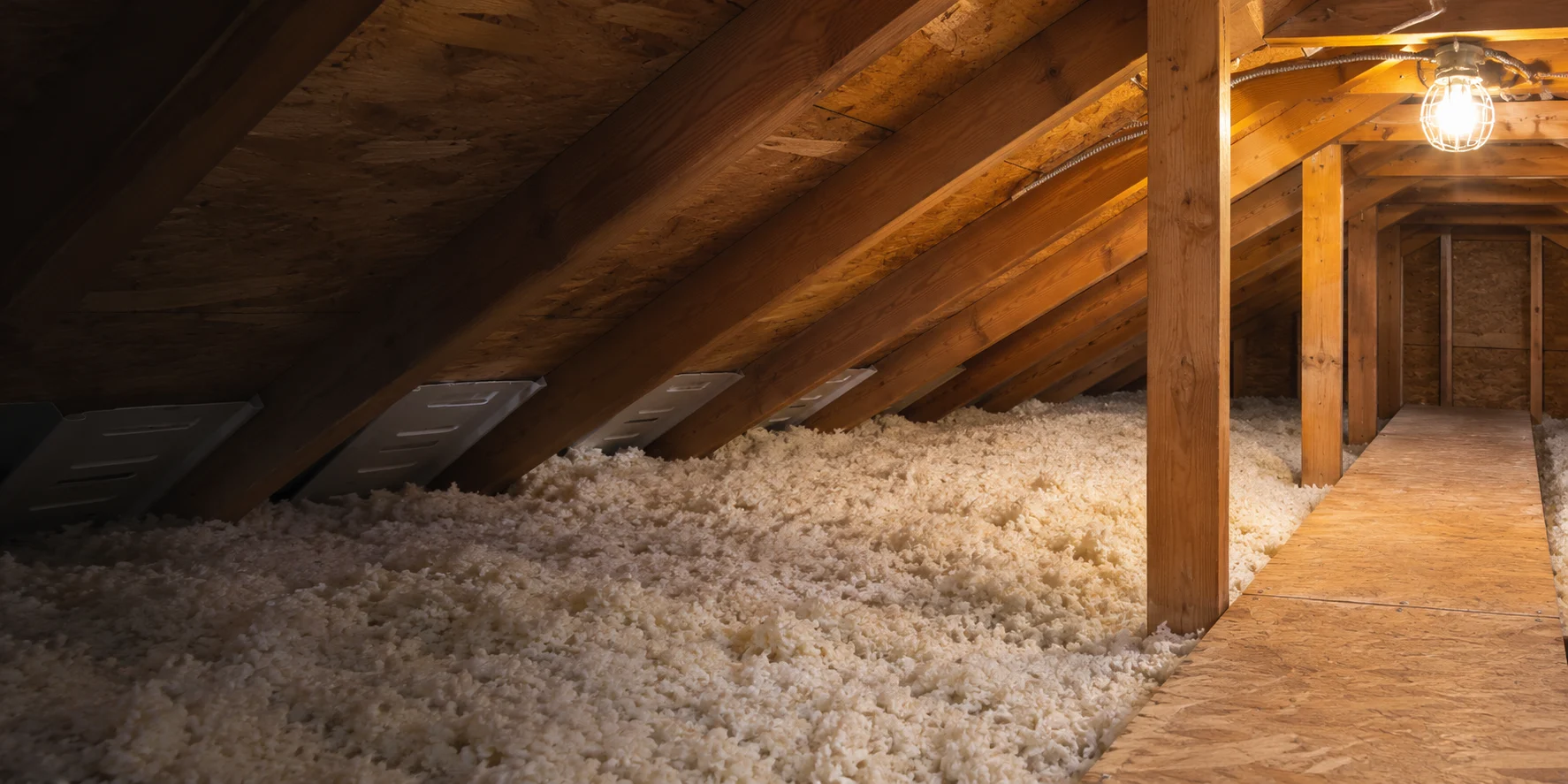
Different materials and products can have different thermal resistance for a given thickness. For loose-fill materials, the installed coverage and product requirements matter. Do not compare two proposals simply by asking how many inches each promises. Ask for the material, target R-value, installation requirements and method for documenting the finished work.
The appropriate target depends on the project
The right specification depends on the climate, assembly, existing insulation, available space and applicable requirements. A universal number on a website cannot replace a project-specific decision. Local requirements and product instructions should be reviewed for the actual work. This guide intentionally does not prescribe one target for every home or claim a guaranteed energy outcome.
Questions that make the number useful
Ask what material is proposed, whether the target describes added insulation or the completed layer, how irregular areas will be handled and how the installed result will be checked. Also ask whether the attic hatch and accessible air leaks are addressed separately. These details turn a general performance rating into a practical conversation about your home.