Notice the pattern
Which room feels warmer, and when does the difference appear? A space that heats up in the afternoon may have a different combination of influences from a bedroom that stays warm overnight. Write down the time, outdoor conditions, window exposure and whether doors or blinds are open. This record gives the conversation a useful starting point without turning a symptom into a diagnosis.
Look above and beyond the ceiling
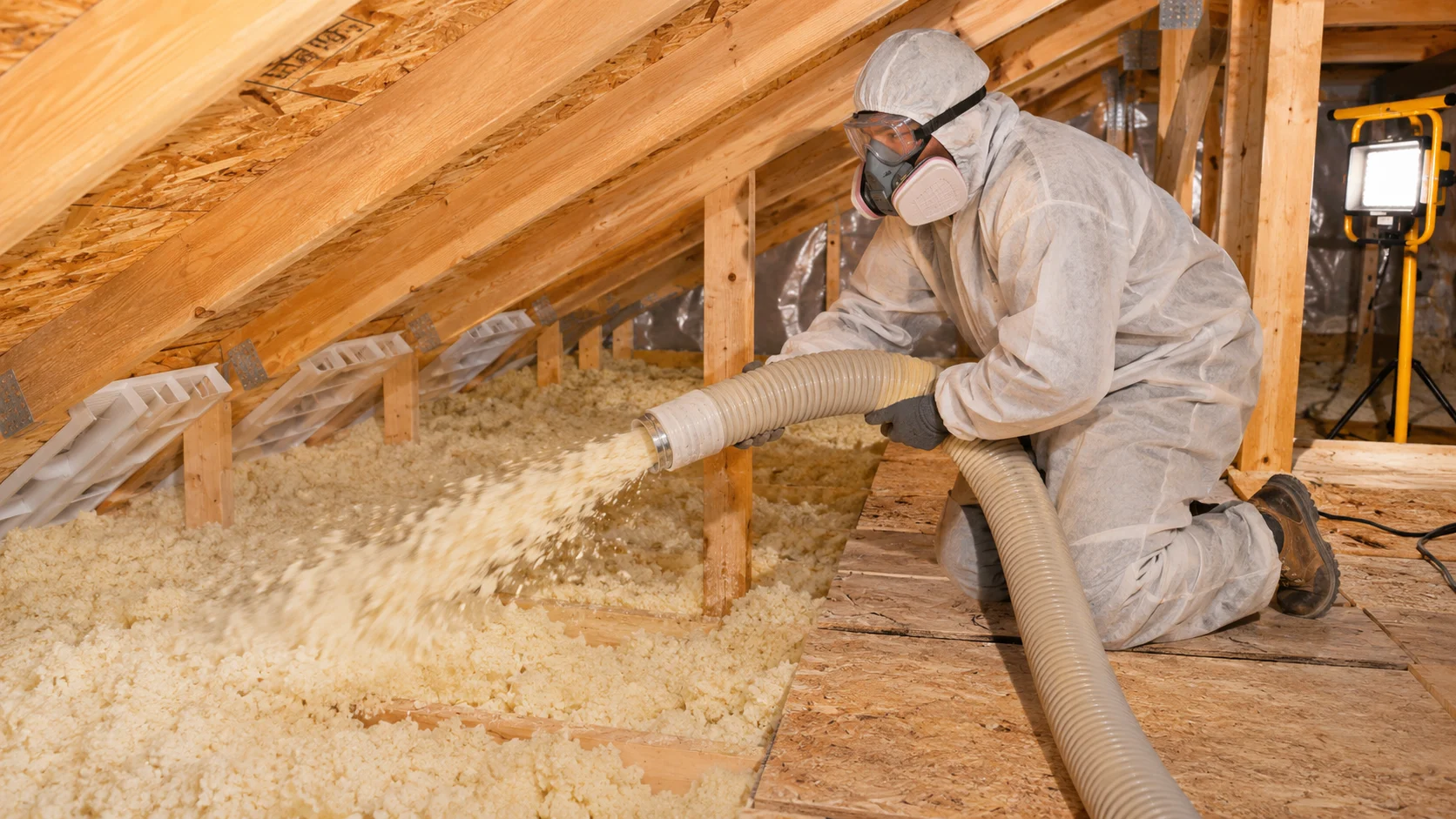
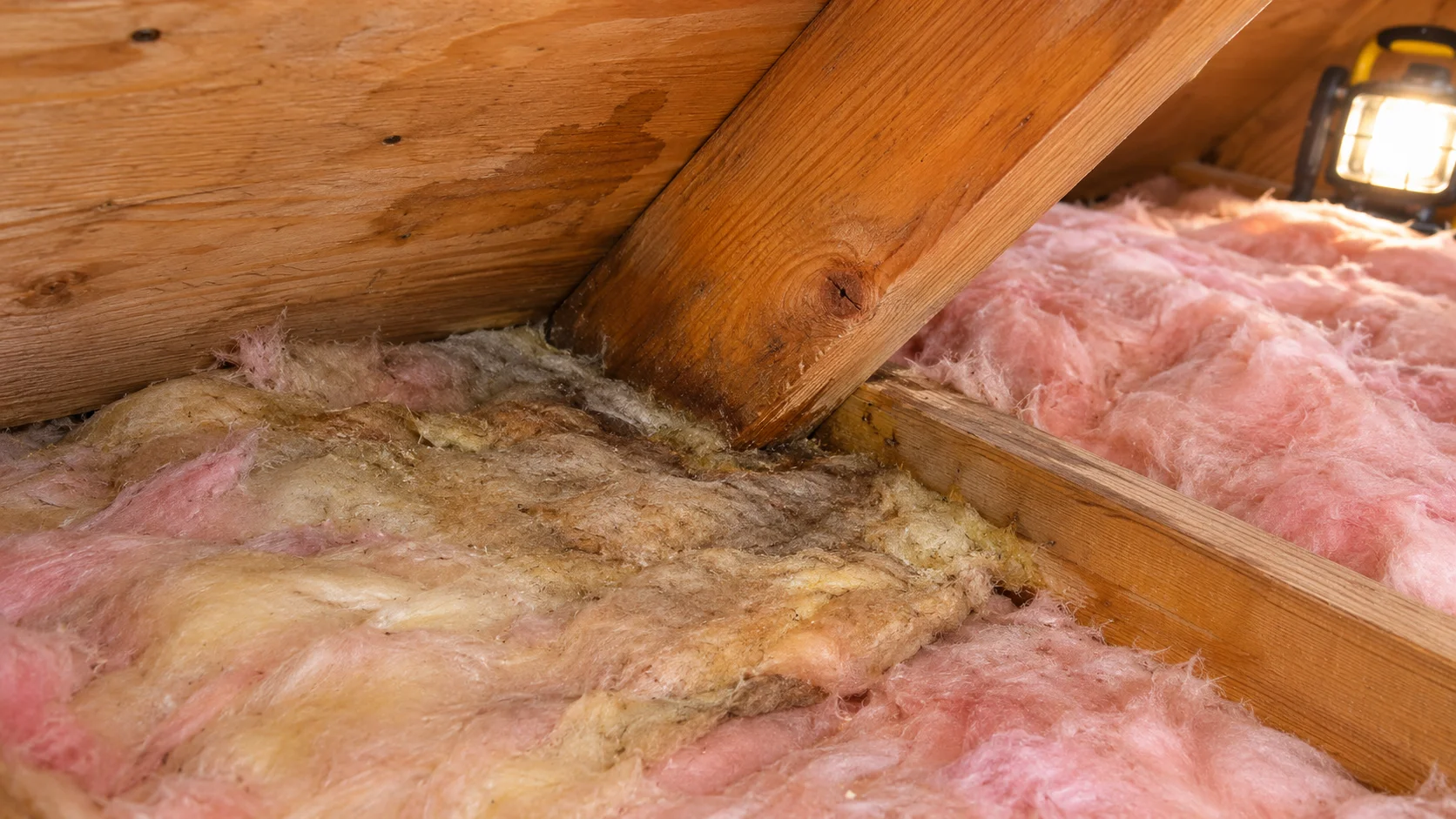
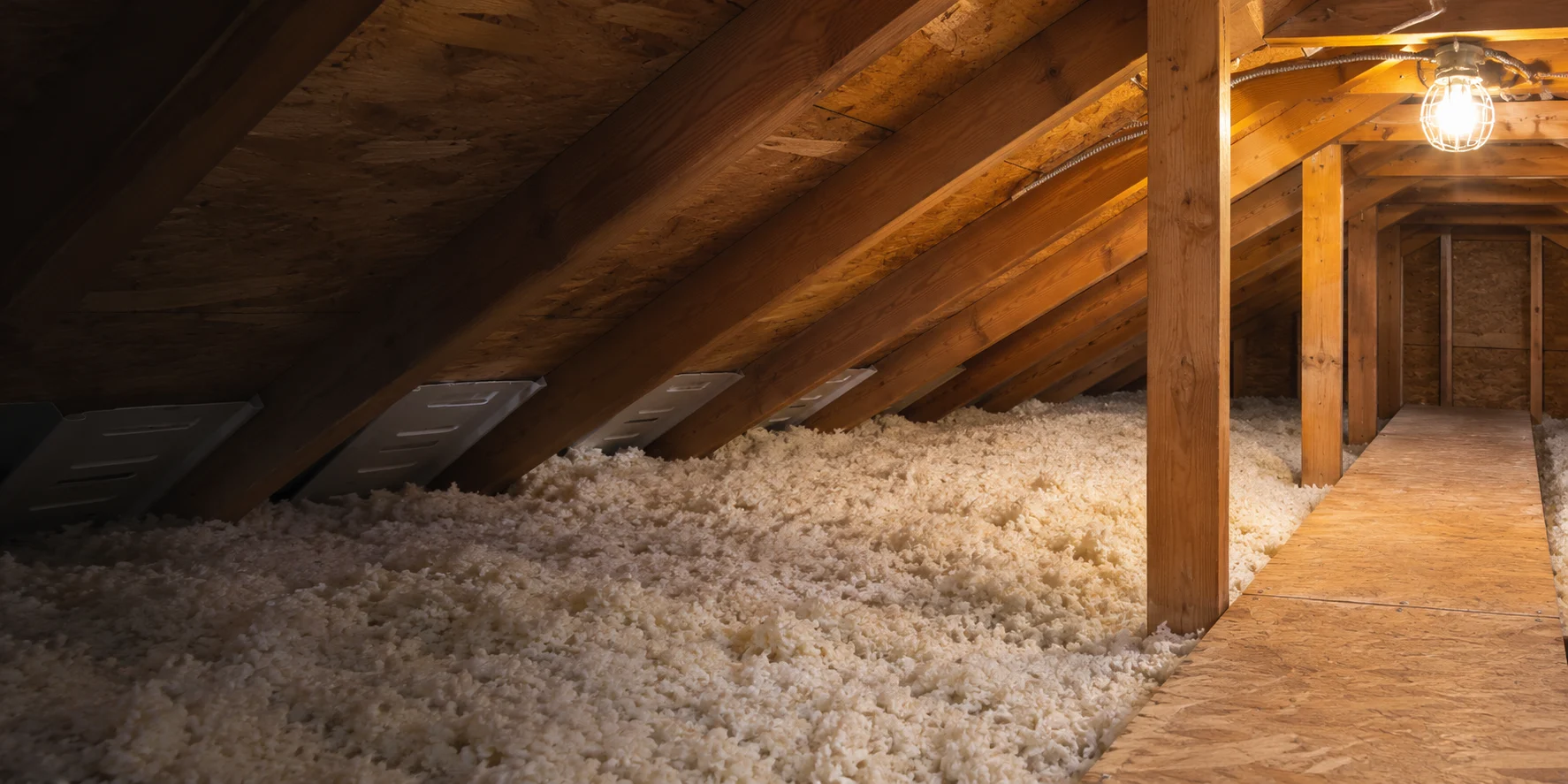
Low or uneven attic insulation can be part of a comfort problem, but it is not the only possibility. Air leakage and the relationship between the attic and living space may also matter. The aim of a review is to consider the relevant boundary and conditions rather than assume every warm room needs the same treatment.
Keep HVAC in the conversation
Air delivery, return paths, duct condition and equipment performance can influence how a room feels. Insulation work and HVAC diagnostics answer different questions. If a proposal assumes the mechanical system is functioning correctly, understand that assumption. Ask which observations would call for an HVAC professional rather than a larger insulation scope.
Consider windows and daily use
Direct sunlight, shading, appliances and the way rooms are occupied all affect the conditions people notice. These influences do not rule out an insulation opportunity, but they help explain why no single product guarantees a room will match the rest of the home. A useful plan makes the relevant contributors clear and prioritizes the work accordingly.
Prepare for a better assessment
Describe the room, its location in the home, timing of discomfort and any recent changes. Keep prior reports or renovation information available. Ask what can be evaluated visually and whether further diagnostics would help. The best next step is the one supported by the findings, even when it is different from the service you initially had in mind.